
How Much Does a Mobile App Cost? What Drives the Price
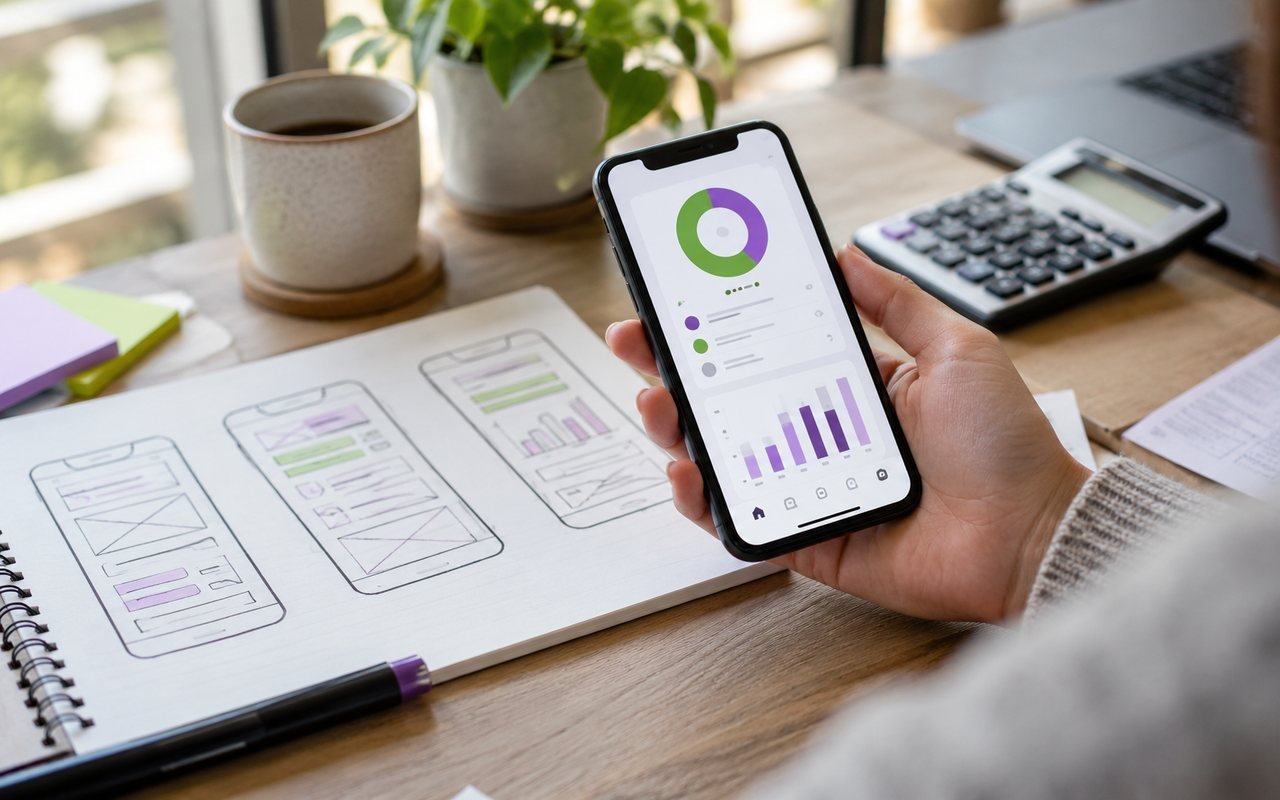
How much does a mobile app cost depends on what it does, not only how it looks. Features, platforms, integrations and ongoing care all move the price. This guide explains each cost driver, the fixed store fees and how to plan a first version you can afford.
How much does a mobile app cost? The honest answer
It depends, and anyone who quotes a price before asking questions is guessing. Two apps that look alike on screen can differ widely in cost, because the work is in what happens behind the screen.
We therefore scope each app individually and send an itemised proposal. Our pricing page explains how we quote, and you can ask for a proposal at no charge.
The main drivers of app development cost
Five things shape the price more than any others.
**Features:** each feature adds design, build and test time.
**Platforms:** iPhone, Android or both.
**Design:** a standard look costs less than a fully custom one.
**Integrations:** payments, maps, booking tools or your own systems.
**Back end:** accounts, data storage and an admin panel.
A simple app with a few screens sits at one end. An app with accounts, payments and live data sits at the other.
Features that raise the cost
Some features look small but need a lot of work. Secure sign-in, payments, push notifications, offline use and live chat all take extra design and testing.
List your features in three groups: must have, nice to have and later. Build only the first group for version one. This single step does more to control cost than any negotiation.
Native or cross-platform app
A native app is built separately for each platform. A cross-platform app uses one shared codebase to deliver both iPhone and Android versions.
Cross-platform is often faster and less costly for a first release, which is why many startups choose it. Native can suit apps that need the fullest use of a phone's hardware. We explain the trade-offs before you decide, and you can read about our mobile app development services.
Fixed app store fees
Some costs are not negotiable. Apple states that the Apple Developer Program costs 99 US dollars per membership year, or the local equivalent, on its membership details page.
Google Play charges a one-time registration fee of 25 US dollars, as set out in its Play Console help. Fees can change, so check the current amount before you register.
Both accounts should be in your business name, not a developer's personal name.
Costs after launch
An app is not finished at launch. Phones and operating systems change every year, and an app that is not updated will eventually break or be dropped from a store.
Plan for hosting, fixes, updates, support and small improvements. Many firms set aside a yearly amount for this. Ask any supplier what ongoing care includes and what it costs.
Where the money goes: project stages
Most app budgets are split across the same stages.
- 01
Discovery, where we agree users, goals and features.
- 02
Design of the screens and the way people move between them.
- 03
Development of the app and its back end.
- 04
Testing on real phones and fixing what breaks.
- 05
Store submission and launch.
- 06
Care after launch.
Skipping discovery to save money usually backfires, because mistakes found during development cost far more to fix than ideas changed on paper.
Hidden costs to ask about
Who pays for design files and who owns them?
Is testing on real devices included?
Who pays for third-party services, such as maps or messaging?
Is store submission included, and what if a review fails?
What happens to the code if we part ways?
Put the answers in the contract, not only in an email.
How to keep the budget under control
Start with a small first version that proves people want the app. Release it to a small group, watch how they use it and then build more.
This approach, sometimes called a minimum viable product, reduces risk. You pay for learning early, when changes are cheap, and not late, when they are expensive. We build in stages so you can use and test each part as it is ready.
What a good proposal contains
A clear proposal lists the features, the platforms, the stages, the timeline and the price of each stage. It names what is not included. It says who owns the code and the designs.
Be wary of a single total with no breakdown. An itemised proposal lets you remove a feature or defer a stage without starting again. Ours are free and arrive within 48 hours.
Should you build an app at all?
An app is not always the right answer. A well-built mobile website may serve your customers for far less. Ask whether people need to use the product often enough to install it.
If the answer is yes, an app may give a better experience. If not, start with the website. Our web development services can help you decide, and our guide to what a custom website costs shows the same cost drivers for the web.
Sources
- Apple Developer Program membership details, Apple Developer
- Get started with Play Console, Google Play Console Help
Designed & developed by LAMTANS Technologies LLC, USA — part of the LAMTANS Group
Frequently asked questions
Is a cross-platform app cheaper than native?
Often, for a first release, because one codebase serves both platforms. Complex apps may still need native work.
Can I build an app for a small budget?
Yes, by keeping version one small. Choose the few features that solve the main problem.
Do I pay store fees on top of development?
Yes. Apple and Google charge their own fees, which are separate from development costs.
How long does an app take to build?
It depends on scope. A focused first version can take a few months, and larger apps take longer.
Who owns the app?
This depends on your contract. Agree ownership of code, designs and accounts in writing.